
The GAM also bears witness to the rediscovery of other cultures, including the oriental, folkloric and regional ones typical of southern Italy and its fin-de-siècle painting schools which, in a plurality of different outcomes, developed heterogeneous cultural and figurative contributions. A certain exotic connotation is found in the enhancement of local realities, supported by the new scientific and intellectual interests of which Palermo was a pioneer, with Giuseppe Pitrè, humanist doctor and founder of folkloric science.
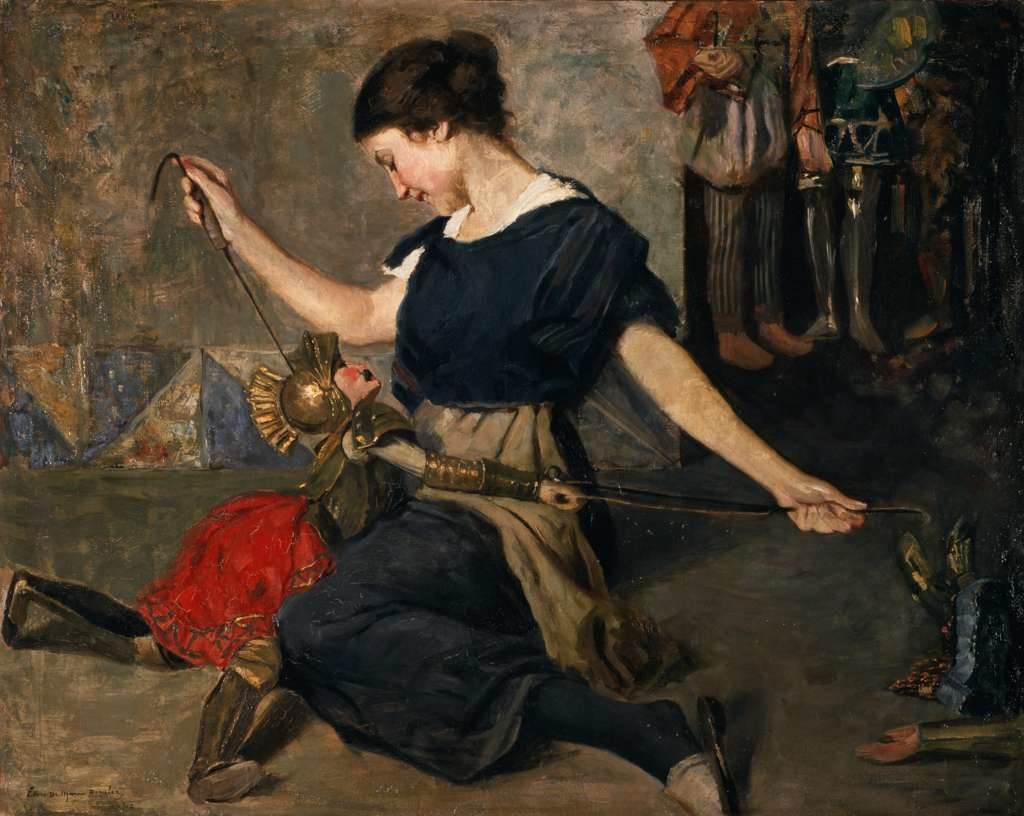
Ettore De Maria Bergler, Rinaldo e Armida, 1912, oil on canvas
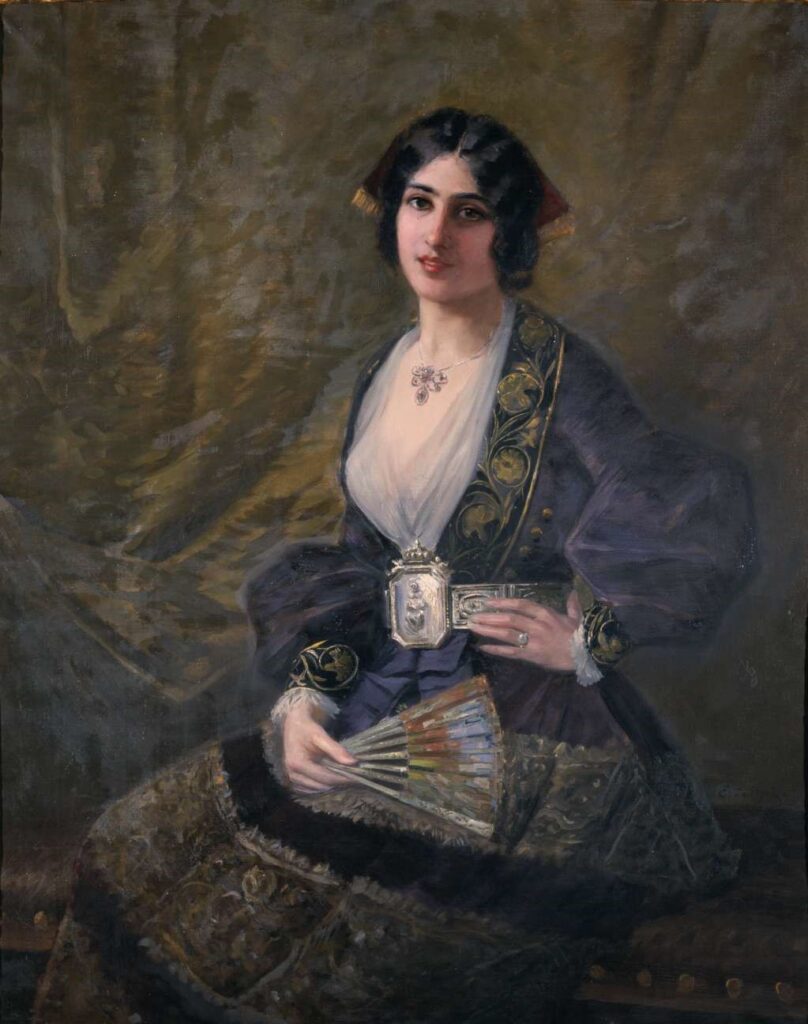
Ettore De Maria Bergler, Donna di Sicilia in costume di Piana degli Albanesi, 1933 ca., oil on canvas
Armida and Rinaldo, by Ettore De Maria Bergler, as well as, by the same author, Woman in Costume of Piana degli Albanesi can be traced back to this climate. The works of Antonio Mancini bring us back to the same vein of fin-de-siècle exoticism, imbued with Spanish or Japanese fashions – as evidenced by the operas represented in theaters at the time -.
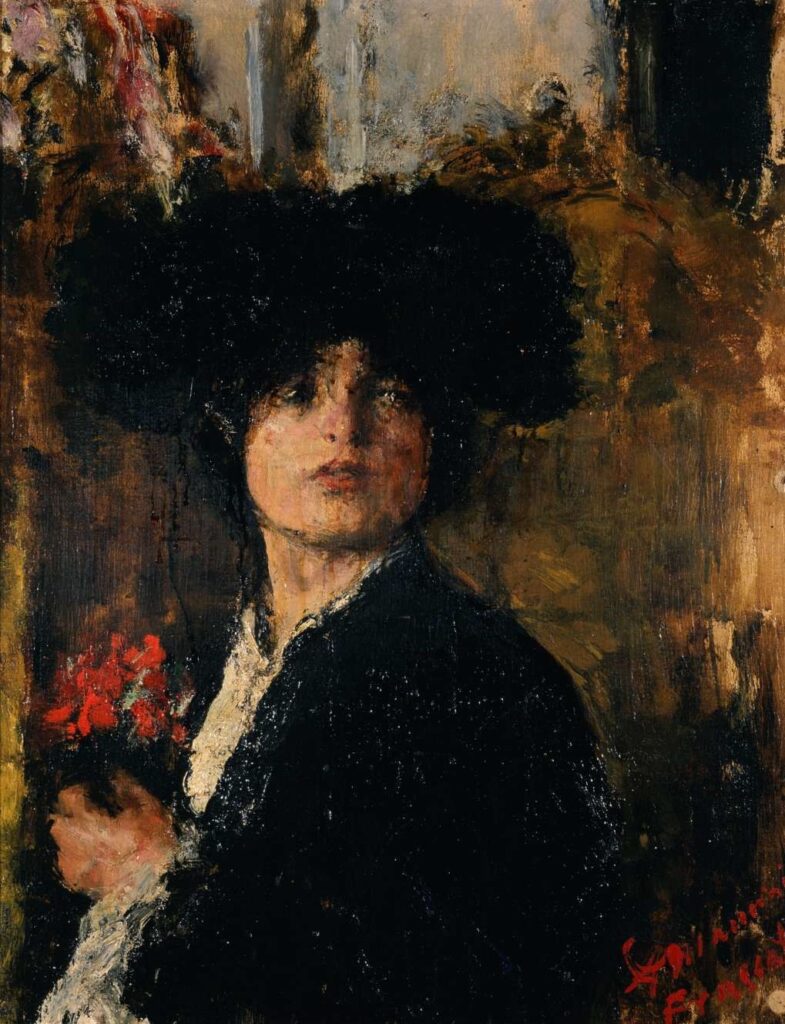
Antonio Mancini, Costume spagnolo, 1915-1918, oil on canva
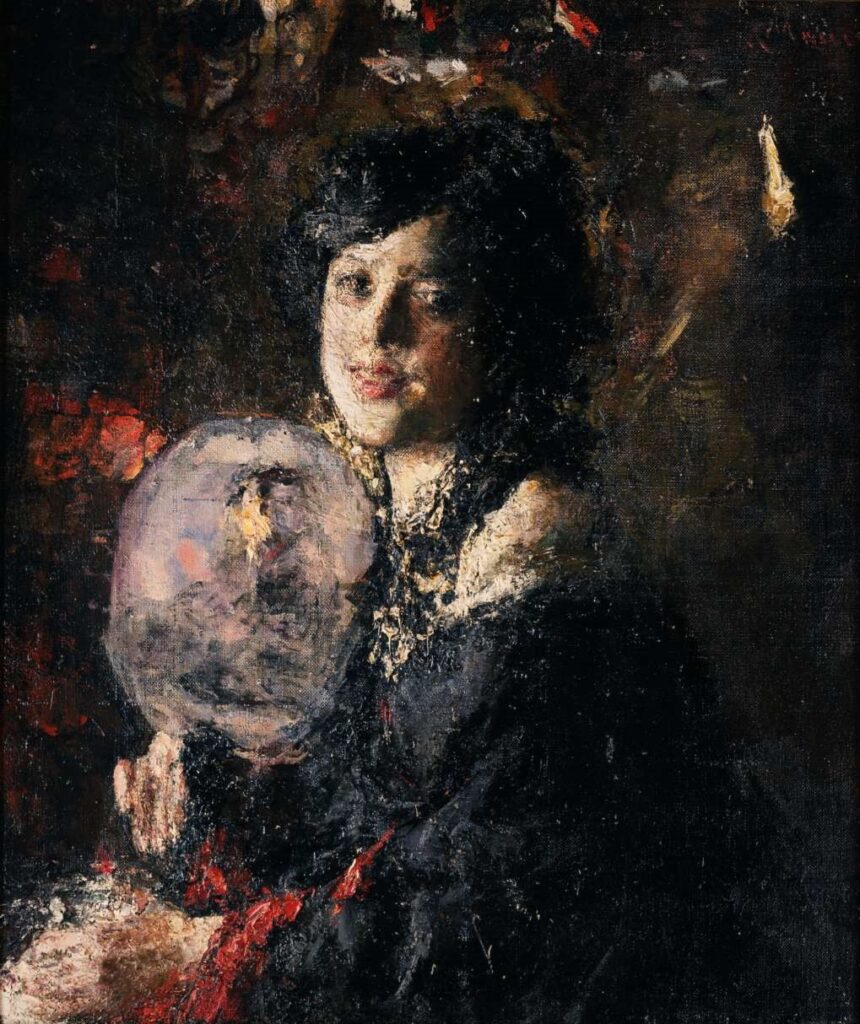
Antonio Mancini, Ventaglio Giapponese, 1915 ca., oil on canva
An artist trained between Naples and Paris, Mancini is the author of Spanish Costume and Japanese Ventaglio, both exhibited at the GAM and characterized by the presence of two female faces characterized by the vitality of color with a strong visual and emotional impact.
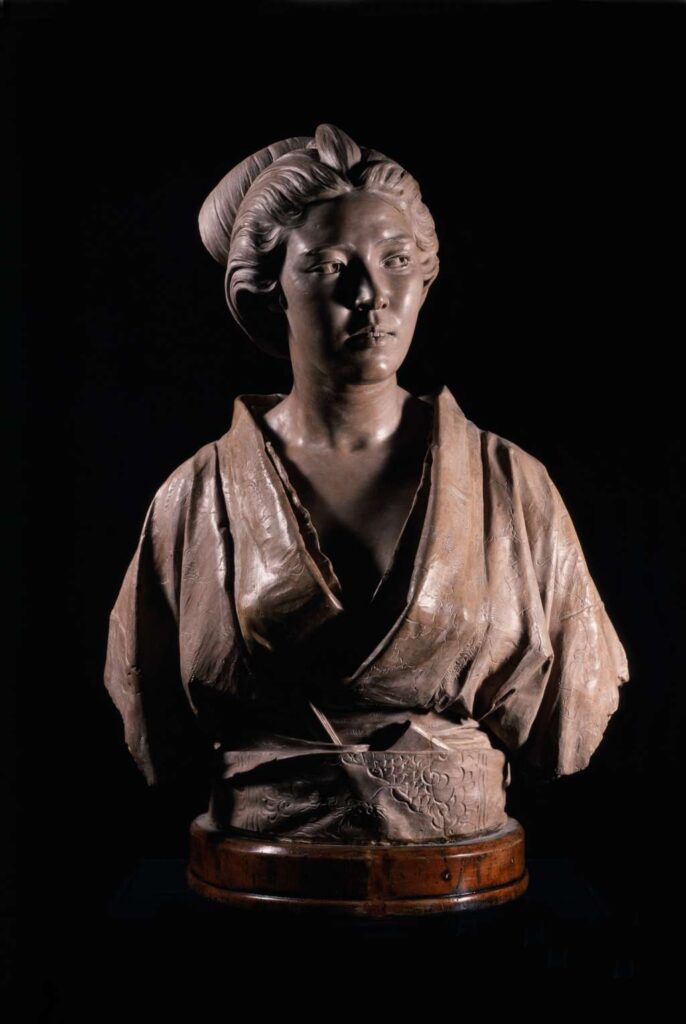
Vincenzo Ragusa, Ritratto di Eleonora O’Tama Ragusa, 1883, terracotta
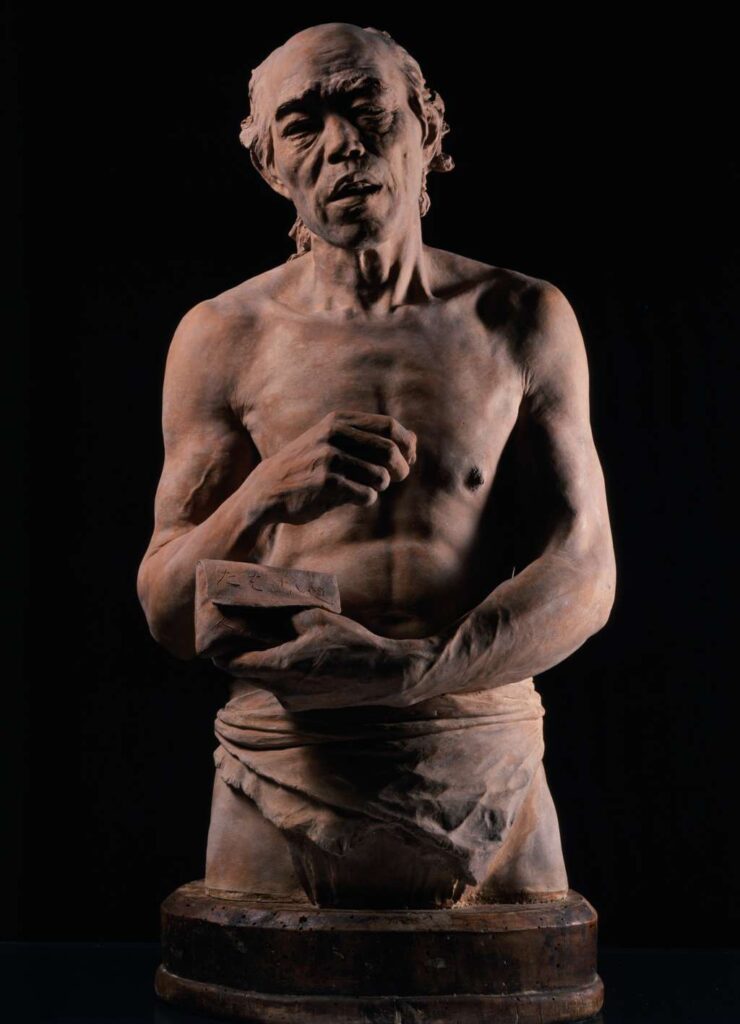
Vincenzo Ragusa, Conducente di Risciò,1883, terracotta
The two terracotta sculptures by Vincenzo Ragusa refer to the Japanese world through the gaze of a Sicilian, one dedicated to his wife Eleonora O’Tama Kyohara Ragusa and the other to an elderly rickshaw driver.